
Yes, you can sell a house with structural damage, and you do not necessarily have to repair it before selling. If you are asking can you sell a house with structural damage, your main options are to repair and list traditionally, sell as-is, or sell directly to a buyer willing to handle the repairs.
Structural problems can lower property value, reduce buyer interest, and complicate financing. However, foundation cracks, damaged framing, sagging floors, or other defects do not automatically make a house unsellable.
Before spending money, determine what is wrong with the property. Then compare repair costs, likely sale proceeds, your timeline, and the practical demands of each selling method.
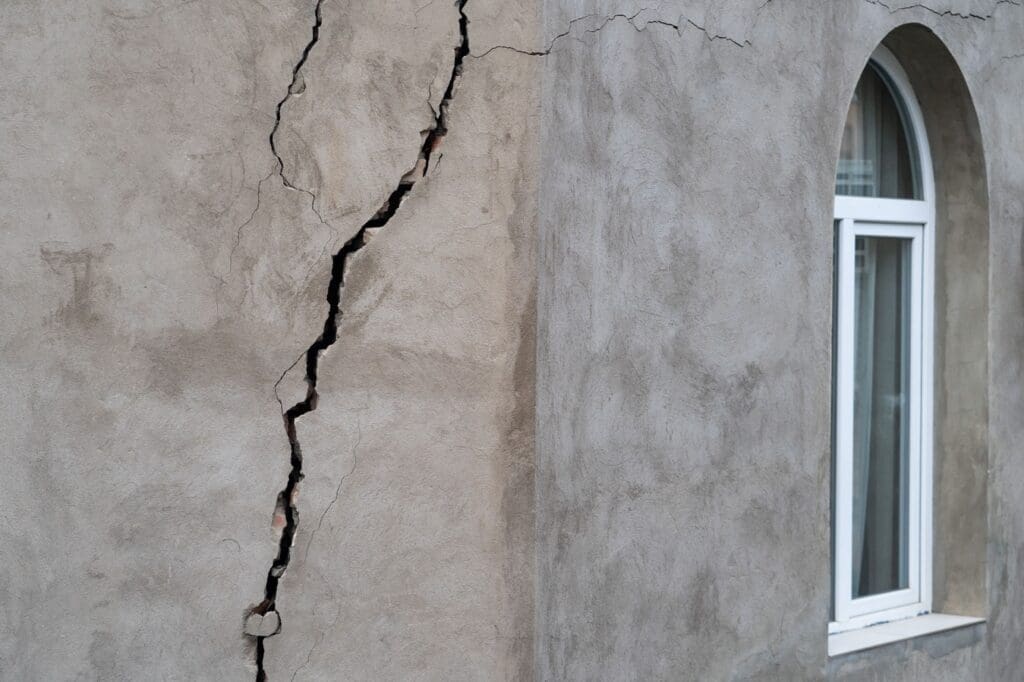
What Is Considered Structural Damage in a House?
Structural damage affects the components responsible for supporting and stabilizing a house.
These components include the foundation, beams, columns, floor joists, load-bearing walls, and roof framing. Damage affecting these areas is generally more serious than cosmetic defects such as peeling paint, worn flooring, or minor drywall cracks.
Warning signs worth investigating include:
- Large or widening foundation cracks
- Bowing or leaning walls
- Sagging or uneven floors
- Visible roof sagging
- Separation between walls and ceilings
- Doors or windows becoming difficult to open
One warning sign does not necessarily indicate major structural failure. However, homeowners dealing with significant cracks or movement should understand when foundation issues become serious enough to affect a home sale. An appropriate evaluation can distinguish normal settlement or cosmetic deterioration from a problem requiring substantial repairs.” .
What Causes Structural Damage?
Soil movement, water, poor drainage, construction defects, pests, severe weather, and deterioration can all cause structural problems.
Soil beneath a house can expand, contract, settle, or erode, causing uneven foundation movement. Water from poor drainage, flooding, plumbing leaks, or damaged gutters can worsen these conditions or contribute to deterioration of wooden structural components.
Other causes include termites, fire, storms, falling trees, construction defects, and remodeling that improperly alters load-bearing components.
Identifying the cause matters because repairing visible damage without addressing the underlying problem may allow it to return.
Can You Sell a House With Structural Damage As-Is?
Yes, you can sell a structurally damaged house as-is rather than paying for major repairs beforehand.
An as-is sale generally means you are offering the property in its current condition without agreeing in advance to complete repairs. Buyers can still inspect the house, obtain estimates, negotiate within their contractual rights, or decide not to proceed.
Selling as-is may be practical when:
- Repairs require more cash than you have available
- You inherited a damaged property
- You need to relocate quickly
- Several major repairs are needed
- You do not want to manage contractors
- Repair costs are difficult to predict
As-is does not automatically mean “without disclosure.” Disclosure requirements depend on applicable laws and circumstances, so sellers should understand their local obligations regarding known defects.
Should You Evaluate the Damage Before Selling?
Understanding the severity of the damage can put you in a stronger position when comparing offers.
A buyer who sees foundation cracks may assume the property requires extensive work. A professional assessment showing a smaller, well-defined problem could reduce that uncertainty.
The reverse is also possible. A seemingly minor crack could indicate a larger structural issue.
You do not necessarily need to complete the recommended repairs, but knowing their approximate scope and cost helps you evaluate your selling options more accurately.
How Does Structural Damage Affect a Home Sale?
Structural damage can affect market value, buyer interest, negotiations, appraisals, and financing.
Cosmetic repairs are relatively easy for buyers to understand. Structural problems create more uncertainty because buyers must consider the repair cost and the possibility that additional damage could appear once work begins.
That uncertainty influences offers. A buyer may discount the property by more than the estimated repair cost because they are also accepting the inconvenience and risk associated with the project.
Will Structural Damage Lower Property Value?
Structural damage can reduce a home’s value, but there is no universal percentage that applies to every property.
The impact depends on the severity of the problem, estimated repair expense, local market, buyer demand, and whether previous repairs have been properly documented.
For example, a house with a clearly defined foundation repair and supporting documentation presents a different level of risk from one with widespread movement, water problems, and no reliable estimate.
This is why actual professional estimates are more useful than assuming structural damage automatically reduces value by a particular percentage.
Can Structural Damage Cause Financing Problems?
Major structural defects can make mortgage financing more difficult for some buyers.
Lenders consider the property collateral for the mortgage. Significant issues affecting safety, habitability, insurability, or structural stability can therefore create problems during appraisal or underwriting.
Requirements differ between lenders and loan programs. In some cases, certain repairs may need to be completed before financing can proceed.
For sellers, this means an interested buyer is not always a buyer who can successfully close. Cash buyers may avoid some mortgage-related complications because their purchase does not depend on conventional loan approval.
Should You Repair Structural Damage Before Selling?
Repairing first makes sense when the expected increase in marketability and net proceeds justifies the expense, time, and risk of completing the work.
Do not automatically repair everything or assume selling as-is will always save money. Compare both outcomes.
Suppose a repaired house could sell for $250,000 while its estimated as-is value is $210,000. The $40,000 difference initially makes repairing seem obvious.
If repairs cost $30,000 and require months of additional property expenses, however, the financial advantage could become small. If the same repair costs only $8,000 and can be completed quickly, repairing becomes much more attractive.
The numbers should drive the decision.
Repair First vs. Sell As-Is
Compare estimated net proceeds rather than focusing only on the highest potential sale price.
| Factor | Repair Before Selling | Sell As-Is |
| Upfront expense | Higher | Low or none |
| Time before sale | Usually longer | Potentially shorter |
| Buyer pool | Usually larger | Often smaller |
| Financing issues | May be reduced | May remain |
| Contractor management | Required | Usually avoided |
| Repair risk | Seller carries it | Buyer prices it in |
| Potential price | Usually higher | Usually lower |
| Convenience | Lower | Often higher |
A traditional sale can produce a higher price but also require repair expenses, additional holding costs, and more time.
An as-is offer may be lower while allowing the seller to avoid those expenses and responsibilities.
When Should You Repair First?
Repairs deserve consideration when the problem is affordable, clearly defined, and likely to remove a major obstacle to the sale.
Repairing may be worthwhile if you have sufficient funds, are not under time pressure, and the work could substantially increase buyer interest.
Keep engineering reports, invoices, permits, photographs, and applicable warranties after completing the work. Documentation can help buyers understand what was repaired.
When Is Selling As-Is Better?
Selling as-is can make more sense when structural repairs are extensive, unpredictable, unaffordable, or incompatible with your timeline.
Consider an inherited property with foundation movement, roof damage, outdated electrical systems, and years of deferred maintenance. Fixing the foundation would solve only one of several expensive problems.
In this situation, selling the property in its current condition may be more practical than completing one project after another.
How Can You Sell a House With Structural Damage?
Homeowners generally have three options: repair and list traditionally, list as-is, or sell directly to a cash buyer.
Each approach distributes the costs, risks, and responsibilities differently. The best option depends on the condition of the property and your priorities.
1. Repair and List Traditionally
With this approach, you evaluate the problem, complete necessary work, prepare the house, and market it to conventional buyers.
A repaired property with good documentation can appeal to a broader buyer pool and reduce concerns during inspections and financing.
However, you must pay for and manage the work before receiving proceeds from the sale. Additional damage discovered during repairs can also increase your costs.
2. List the House As-Is
Listing as-is allows you to market the house without first completing major structural repairs.
The asking price should reflect its condition. Buyers taking on significant repairs need enough financial incentive to accept the work and uncertainty.
This method can attract investors, contractors, renovators, and other buyers comfortable purchasing distressed properties. Inspections, negotiations, and financing complications can still occur.
3. Sell Directly to a Cash Buyer
Selling directly to a cash buyer can be an option when you want to avoid managing repairs.
Because the buyer does not depend on a traditional mortgage, some lender-related property condition issues can be avoided. Buyers experienced with damaged homes may also be more comfortable estimating repair costs.
Cash offers typically account for repairs, risk, holding expenses, and resale potential. The offer may therefore be lower than the potential retail price of a repaired house.
The useful comparison is not a cash offer against the home’s perfect-condition value. Compare the cash offer with what you could realistically net after repairing, holding, and traditionally selling the property.
What Should You Do Before Selling a Structurally Damaged House?
Before authorizing expensive repairs or accepting an offer, gather enough information to compare your options realistically.
A practical process includes:
- Document visible problems. Photograph cracks, sagging areas, water damage, and other concerns.
- Gather existing records. Find previous inspections, permits, repair invoices, engineering reports, and warranties.
- Get an appropriate evaluation. Consider professional assessment when significant structural damage is suspected.
- Obtain repair estimates. Use realistic estimates rather than guesses.
- Estimate repaired value. Compare the property with similar homes in good condition.
- Calculate holding expenses. Consider mortgage payments, taxes, insurance, utilities, and maintenance during repairs.
- Compare selling options. Evaluate traditional, as-is, and direct-sale approaches.
- Compare net proceeds. Focus on what remains after expenses rather than the headline sale price.
Following these steps can make the decision much clearer and prevent unnecessary spending.
How Do You Decide Whether to Repair or Sell As-Is?
Your decision should come down to the severity of the damage, repair costs, available time, finances, and expected net proceeds. If the problem is clearly defined, affordable, and likely to significantly improve marketability, repairing first may produce a better outcome.
If the repairs require substantial upfront spending, carry significant uncertainty, or delay a necessary move, selling as-is deserves stronger consideration. Your circumstances also matter. Someone who has already relocated may value speed and convenience differently from a homeowner with several months available to manage repairs.
Before deciding, ask yourself:
- Can I comfortably afford the repairs?
- Do I know the likely scope of the damage?
- What happens if additional problems are discovered?
- How long will repairs delay the sale?
- What will it cost to hold the property during that time?
- How much could I realistically net from each option?
These questions provide a more useful decision framework than simply choosing the method with the highest advertised selling price.
Conclusion
Yes, you can sell a house with structural damage without repairing everything first. Depending on the condition and your circumstances, you can complete repairs and pursue a traditional sale, list the house as-is, or sell directly to a buyer willing to handle the work.
Start by understanding the damage and obtaining realistic repair estimates when appropriate. Then compare repair costs, potential sale value, holding expenses, financing complications, and your available time.
Repairing first may be worthwhile when the work is affordable and significantly improves marketability. Selling as-is may be more practical when repairs are extensive, expensive, or difficult to manage.
For homeowners asking can you sell a house with structural damage, the important question is not simply whether a sale is possible. It is which selling method provides the strongest realistic balance of price, cost, time, and convenience.


