
To sell a vacant house in Indiana, first verify the property’s ownership and title, resolve any taxes or liens, prepare the home for sale, determine a competitive price, and decide whether to list traditionally, sell as-is, or work with a cash buyer. A vacant property can sell successfully with the right approach, but sellers should pay close attention to maintenance, security, disclosures, and other requirements that can affect the transaction.
This guide explains what a vacant house is, Indiana seller disclosure requirements, how to price and market a vacant lot in Indiana, selling to cash buyers or through a realtor, and common selling mistakes. It also covers repairs, property maintenance, inspections, title issues, and the closing process.
What Is a Vacant House?
A vacant house is generally a residential property that is unoccupied for a period of time. It might be:
- A home inherited after a family member’s death
- A former rental property between tenants
- A house whose owners have relocated
- A property undergoing repairs
- A foreclosure-related property
- A second home that is no longer being used
- An older house that has been left unattended
Vacancy itself doesn’t necessarily prevent you from selling the property. However, an unattended house can deteriorate faster and may attract vandalism, theft, pests, water damage, or other problems.
Indiana also has laws dealing specifically with vacant or abandoned property in certain delinquent-tax situations. If a property has delinquent taxes and has been legally determined to be vacant or abandoned, special procedures can potentially apply.
That makes it important to distinguish between a house that is simply empty and one that has become legally classified as vacant or abandoned.
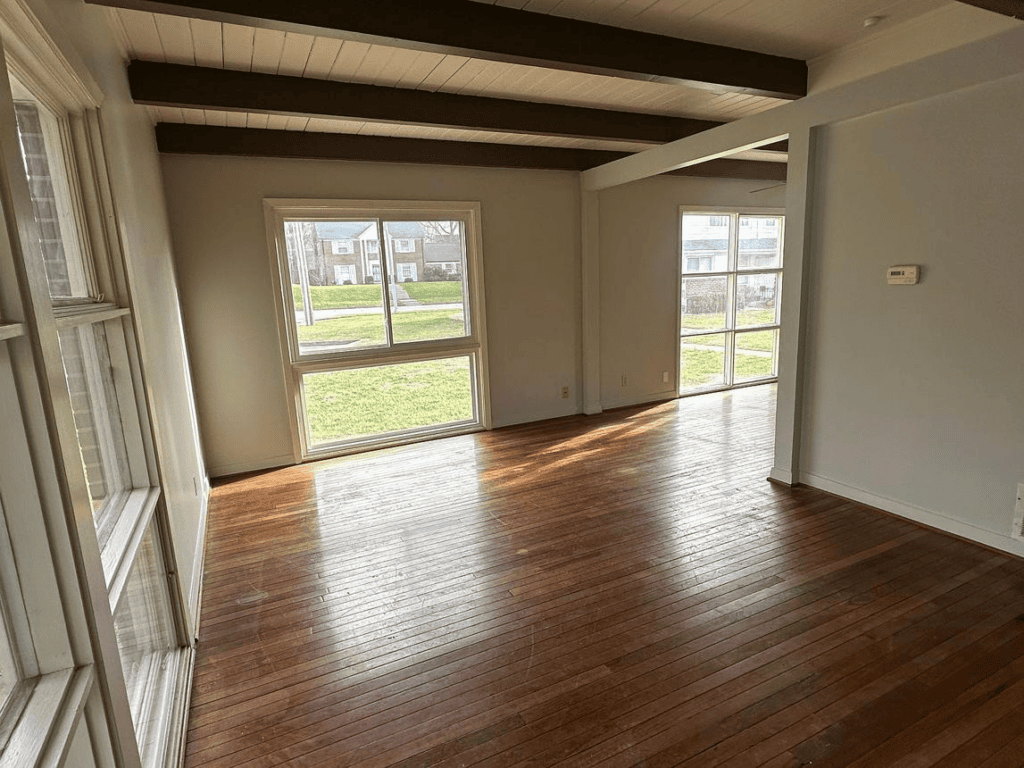
How to Sell a Vacant House in Indiana: A Guide for Homeowners
Selling a vacant house in Indiana requires careful preparation to protect the property, attract qualified buyers, and avoid unexpected issues during the transaction. By handling legal requirements, property maintenance, pricing, marketing, and closing details upfront, homeowners can make the selling process smoother and more efficient.
1. Confirm Property Ownership
Before listing the house, confirm who legally owns the property and has the authority to sell it. This is especially important for inherited homes, properties with multiple owners, or houses involved in probate.
2. Check for Taxes, Liens, and Title Issues
Review the property for unpaid taxes, mortgages, liens, judgments, or other title problems. Resolving these issues early can prevent delays and complications when the sale reaches closing.
3. Secure and Maintain the Vacant House
An unoccupied property can be more vulnerable to theft, vandalism, pests, leaks, and weather damage. Keep the house secure, maintain the lawn, monitor utilities, and arrange regular inspections while it is vacant.
4. Decide Whether to Make Repairs
Evaluate the property’s condition and determine whether repairs or renovations are likely to increase its selling price enough to justify their cost. For homes requiring extensive work, selling as-is may be a more practical and cost-effective option.
5. Understand Indiana Seller Disclosure Requirements
Indiana sellers of qualifying residential properties generally must provide a residential real estate sales disclosure based on their actual knowledge of the property’s condition. Be accurate and transparent about known problems, and seek professional advice if you are unsure about specific disclosure requirements.
6. Set the Right Asking Price
Price the house based on recent comparable sales, location, size, condition, features, and necessary repairs. A local real-estate professional or appraiser can help establish a realistic market value and prevent overpricing that could cause the property to sit longer.
7. Market the Property Effectively
Use clear, high-quality photos and an accurate listing description to showcase the property’s best features. Keep the home clean, accessible, and presentable so potential buyers can better visualize its value.
8. Consider Selling to a Cash Buyer
Cash buyers and real-estate investors may provide a faster option for vacant homes, particularly those needing significant repairs. However, offers may be lower than the property’s potential retail value, so compare the expected net proceeds before deciding.
9. Prepare for Inspections
Even when selling a house as-is, buyers may request a professional inspection before completing the purchase. Make sure key areas of the property are accessible and provide any available information about repairs, systems, or known defects.
10. Complete the Closing Process
Once you accept an offer, the sale typically proceeds through title work, inspections, financing or appraisal when applicable, and final closing documents. Working with a title company, closing professional, or attorney can help ensure the required paperwork and outstanding obligations are properly handled.
The best way to sell a vacant house in Indiana depends on the property’s condition, market value, ownership situation, and your preferred timeline. Whether you choose a traditional listing, an as-is sale, or a cash buyer, proper preparation can help minimize problems and maximize your potential proceeds.
Indiana Seller Disclosure Requirements
One of the key legal considerations when selling a vacant house is Indiana’s residential real-estate disclosure requirement.
Indiana generally requires sellers of 1–4-unit residential properties to complete the Seller’s Residential Real Estate Sales Disclosure based on their actual knowledge of the property’s condition. The Indiana Real Estate Commission approved an updated State Form 46234 (R9 / 2-26) in March 2026.
What does this mean for a vacant house?
A property being vacant does not remove the seller’s disclosure responsibilities. Sellers should accurately disclose known issues, including:
- Roof problems
- Water intrusion
- Plumbing issues
- Electrical defects
- HVAC problems
- Structural concerns
- Septic or water-system issues
- Environmental concerns
- Other known defects covered by the disclosure form
If you’re unsure whether a system works because the property has been vacant, don’t guess. Clearly document what you know and what you don’t know, and review the current disclosure form and Indiana requirements before completing it.
How to Price a Vacant House in Indiana
Pricing a vacant house requires more than considering its original purchase price. Start by comparing similar properties in the same market and consider:
- Recent sales
- Location and neighborhood
- Square footage and lot size
- Bedrooms and bathrooms
- Property age and condition
- Garage, parking, or basement
- School district
- Recent renovations
- Similar homes currently for sale
Adjust the price based on the home’s current condition. A vacant property needing major repairs, such as a new roof, HVAC system, flooring, or electrical work, should not be priced like a fully renovated comparable home.
Consider an Appraisal or CMA
A local real-estate agent can provide a comparative market analysis (CMA), while an appraiser can offer an independent valuation. Professional pricing advice can be especially helpful for homes with extensive damage, unusual layouts, large acreage, or other unique characteristics.
How to Market a Vacant House
Marketing a vacant house effectively means presenting the property in a clean, appealing, and trustworthy way. A strong listing can attract both traditional homebuyers and investors while helping the property stand out in the Indiana market.
1. Highlight the Property’s Best Features
Emphasize features such as bedrooms, bathrooms, garage space, basement, yard, upgrades, and location. Be honest about the condition while showing buyers the property’s potential.
2. Use High-Quality Photos
Bright, clear photos can make an empty house look more inviting and help buyers understand its layout. Virtual staging can also help buyers visualize how the rooms could look when furnished.
3. Promote the Property Online
List the home on major real-estate websites, social media, and local advertising channels to reach more potential buyers. If working with an agent, use their MLS listing and marketing network.
4. Keep the Property Show-Ready
Keep the house clean, the lawn maintained, and doors and windows secure before showings. A well-maintained vacant property can create a stronger first impression and encourage offers.
A combination of accurate information, quality visuals, online exposure, and proper maintenance can make a vacant house more appealing. Good marketing can ultimately help attract serious buyers and support a successful sale.
Selling a House to Cash Buyers vs. Through a Realtor or As-Is
Homeowners have several ways to sell a house, including accepting a cash offer, working with a Realtor, or selling the property as-is. The best option depends on the home’s condition, desired timeline, and whether the seller prioritizes speed, convenience, or getting the highest possible market price.
| Option | Best For | Main Advantage | Potential Drawback |
| Cash Buyer | Fast, convenient sales | Quick closing | May receive a lower offer |
| Realtor | Maximizing market exposure | Potentially higher price | More time and preparation |
| Sell As-Is | Homes needing repairs | Avoids major renovations | May limit buyer pool |
There is no single best way to sell a house because each option has different benefits and trade-offs. Compare the expected sale price, repair costs, fees, timeline, and net proceeds to determine whether a cash buyer, Realtor, or as-is sale makes the most sense for your situation.
Common Mistakes When Selling a Vacant House
Selling a vacant house can come with unique challenges that may cost sellers time and money. Avoiding these common mistakes can help make the process smoother and improve your chances of getting a fair offer.
1. Neglecting Property Maintenance
Leaving a vacant house unattended can lead to leaks, pests, vandalism, and other costly damage. Regular inspections and basic upkeep can help protect its value.
2. Overpricing the Property
Setting the price too high can discourage buyers and cause the property to sit on the market longer. Use recent comparable sales and the home’s condition to establish a realistic asking price.
3. Making Unnecessary Repairs
Spending too much on renovations doesn’t always result in a higher sale price. Compare the expected return with the cost before making major improvements.
4. Ignoring Taxes or Liens
Unpaid property taxes, liens, or title issues can delay or even prevent closing. Address these issues early to avoid last-minute complications.
5. Assuming “As-Is” Means No Disclosure
Selling a property as-is does not necessarily eliminate the need to disclose known problems. Be transparent about known defects and follow applicable Indiana disclosure requirements.
6. Accepting the First Offer
The first offer isn’t always the best option, even if it appears attractive. Compare the price, terms, contingencies, closing costs, and expected net proceeds before accepting.
Avoiding these mistakes can protect your property’s value and reduce unnecessary delays. Proper preparation, realistic pricing, and transparency can make selling a vacant house in Indiana much easier.
Final Thoughts
Selling a vacant house in Indiana can be a straightforward process when you prepare the property, verify its legal and financial status, price it appropriately, and market it effectively. Whether you choose to sell as-is, work with a cash buyer, or list through a Realtor, understanding your options can help you make a more informed decision.
From disclosure requirements and property upkeep to pricing, marketing, and avoiding common mistakes, every step can influence the outcome. Taking care of potential issues early and comparing your options can help reduce costs, prevent delays, and make the selling process more successful.


